
Treatment
Sickle cell anaemia sufferers are required to have ongoing treatment, due to continuous death of their red blood cells. It is important that they take regular visits to the doctor, every 2-5 months as, its essential to have strict control over their red blood cell count.
There is currently no cure for sickle cell anaemia however, variety of different treatments are available including both medical and emotional, which can help prevent the complications of the disease.
Infection and pain are common symptoms of sickle cell Anaemia. Range of different drugs, prescribed by the doctor can be used to reduce such symptoms. These include:
- Antibiotics: such as penicillin which prevents infections.
- Paracetamol: used at home for mild pain.
- NSAID (None Steroidal Anti-Inflammatory Drug): for example Ibuprofen. This can also reduce mild pain. For stronger pains doctor may prescribe the patient with opiods (strong pain-killers).
- Injection of Morphin: can reduce severe pain.
- Hydroxyurea: given in response to continuous pain. It causes the body to produce foetal haemoglobin F. This can help prevention of red blood cells sickling. However long-term use of this drug may cause tumours or leukaemia.
- Immunisation: sickle cell anaemia increases the level of infection, therefore it’s recommended to have routine vaccines such as, yearly flu jab and pneumonia vaccine.
Regular blood transfusions: this is used to reduce risk of a stroke, which may occur in people who have Sickle cell Anaemia healthy donated red blood cells transplanted to patient in order to increase the amount of normal red blood cells in their circulation. However this may cause excessive iron build up in the blood which can damage organs such as the heart.
Other treatments are also available to treat the complication of the disease such as the following:
- Sickle cell centres: team of specialists who provide medical advice or emotional support, to those people who have been psychologically effected from the complications of the disease.
- Lifestyle changes: drinking plenty of fluids to thin the blood can clear sickle cells from blocking the blood vessels. Change in diet can make a difference for example intake of foods rich in folic acid, vitamin D, iron and zinc. Smoking and alcohol can also have major effect on blood vessels.
- Pain relieving techniques: applying heat over the affected area.
Reference of the above image: with permission from Microsoft
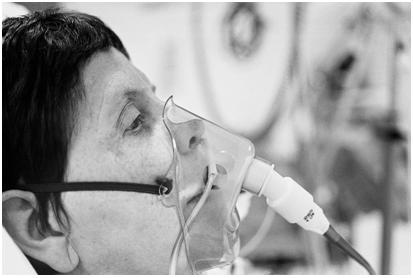
- Supplemental oxygen: can be useful during a sickle cell crisis. It involves breathing in oxygen through a breathing mask, so red blood cells can carry more oxygen around the body.
Blood and Bone marrow stem cell transplants: this can be a possible cure for a minor population of people. This treatment is used for very young children who are suffering from the more severe cases of Sickle cell Anaemia. The procedure involves transplanting healthy bone marrow from a closely related donor to a individual with sickle cell. This is a risky process and can have severe side effects or in worse cases death.